
The performance of a lift station can be defined long before it’s an concrete structure complete with pumps, pipes and valves. The design of the final lift station is determined by a number of factors that include the flow calculation, the elevations of the site, system pressures water characteristics, peak times, maintenance access, control systems, and the future capacity.
The primary question important for project managers to ask when comparing the best lift station designs is not who can specify the pumps. Who can translate site conditions into a complete, practical system that is easy to install, maintain, and use?
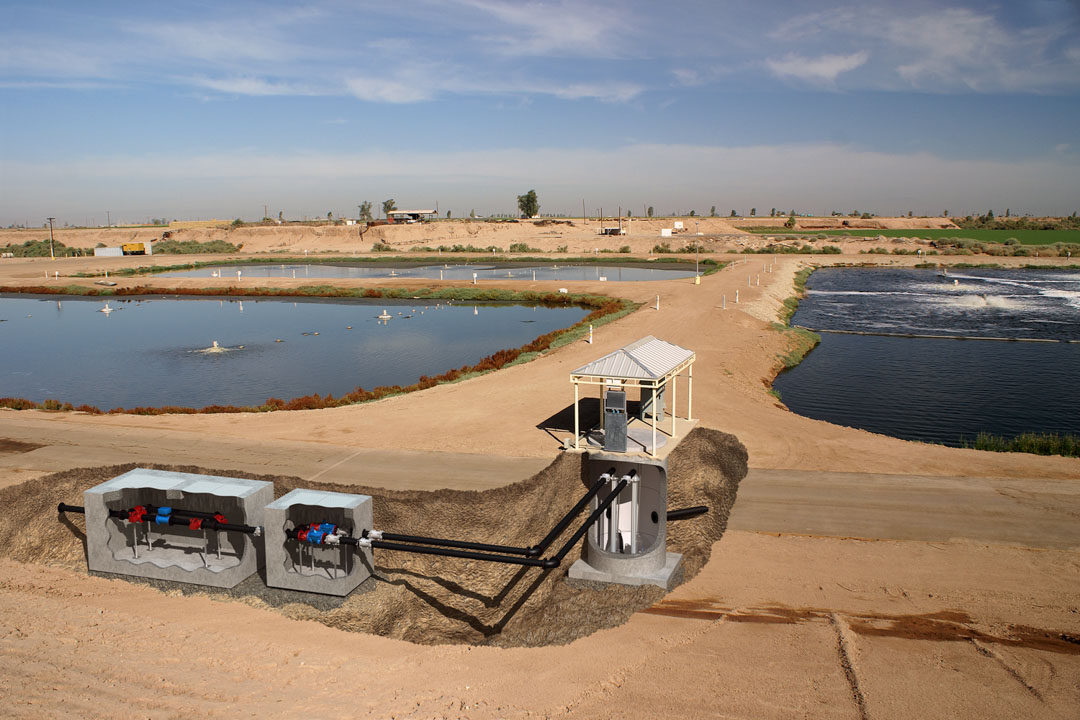
Image credit: romtecutilities.com
The limits of gravity are not unattainable.
Gravity is the most efficient way to transport wastewater. However, terrain and development patterns aren’t always in the direction of this method. New residential, commercial, and industrial developments may be too low or too far away, or in locations where extending gravity sewers isn’t feasible.
A lift station is able to provide the mechanical force required to move wastewater from one point in the collection system to another. However, designing one requires understanding the normal operating conditions and less ideal circumstances like a high flow, maintenance of pumps, equipment failure or future increases in demands.
Companies considered among the best wastewater designers should therefore evaluate the entire conveyance problem rather than treating the station as an isolated piece of equipment.
Existing infrastructure can make the puzzle more difficult
Construction isn’t always the only challenge. Municipalities often need to repair or replace older stations, all while keeping their essential wastewater infrastructure in place.
Existing wet wells, force mains, electric services, controls boundary lines for the site, as well as downstream infrastructure can constrain the design. Engineers must determine which components can be reused or replaced, as well as what is required to replace them and how new components will integrate into the current system.
Romtec Utilities has experience in commercial, commercial, and private applications as in retrofit and replacement projects. This permits pumping systems be adapted to the specific ownership and operational needs of each project.
Stormwater is controlled by different rules
The most skilled stormwater system engineers need to use the search terms to resolve an issue with a different hydrologic. Stormwater systems can experience dramatic variations in their volume, based on rainfall, drainage capacity and the discharge rate allowed.
Stations serving detention basins for example, might need to temporarily store the runoff before pumping it out in a controlled manner. Engineers should take into consideration head and flow conditions, environmental needs, flood management objectives, and also the features of the receiving drain system.
Prefabrication can be used to move the work off-site
Complex field assembly can create opportunities for scheduling conflicts, installation mistakes or change orders and delays. Romtec Utilities uses substantial prefabrication before the equipment is delivered to the project site.
The process of completing more assembly and quality control work in a controlled atmosphere can cut down on the amount of construction required in the field. Based on the approach to project management presented by Romtec Utilities, certain installations that would normally take weeks could be reduced to days according to the circumstances of the project.
Commissioning is a Part of Engineering Success
The installation of all components does not guarantee a station to be stable. Romtec Utilities is an installation advisor and will follow construction through startup, control-panel checking, pump operation testing the system, and personnel education. Documentation is also provided to give operators information on how to maintain the system and consider future expansion.
If you are looking for the best lift station engineers, this last stage is worth a lot of attention. A good engineer should be able to produce more than a good set of drawings. The proprietor should be able to operate a well-functioning system, trained personnel, appropriate documentation and equipment designed for the conditions that the station is likely to encounter in daily operation.